
Choosing the appropriate piping material is critical in terms of cost of installation, longevity of operation, maintenance needs, and performance of the pipeline. Ductile iron pipe and HDPE pipe are two types of pipes that have a wide variety of applications in the water transport and construction industry but are quite different.
When it comes to comparing these pipes, you can count on the assistance from HDPE Pipes Manufacturers, including Ashish Pipes.
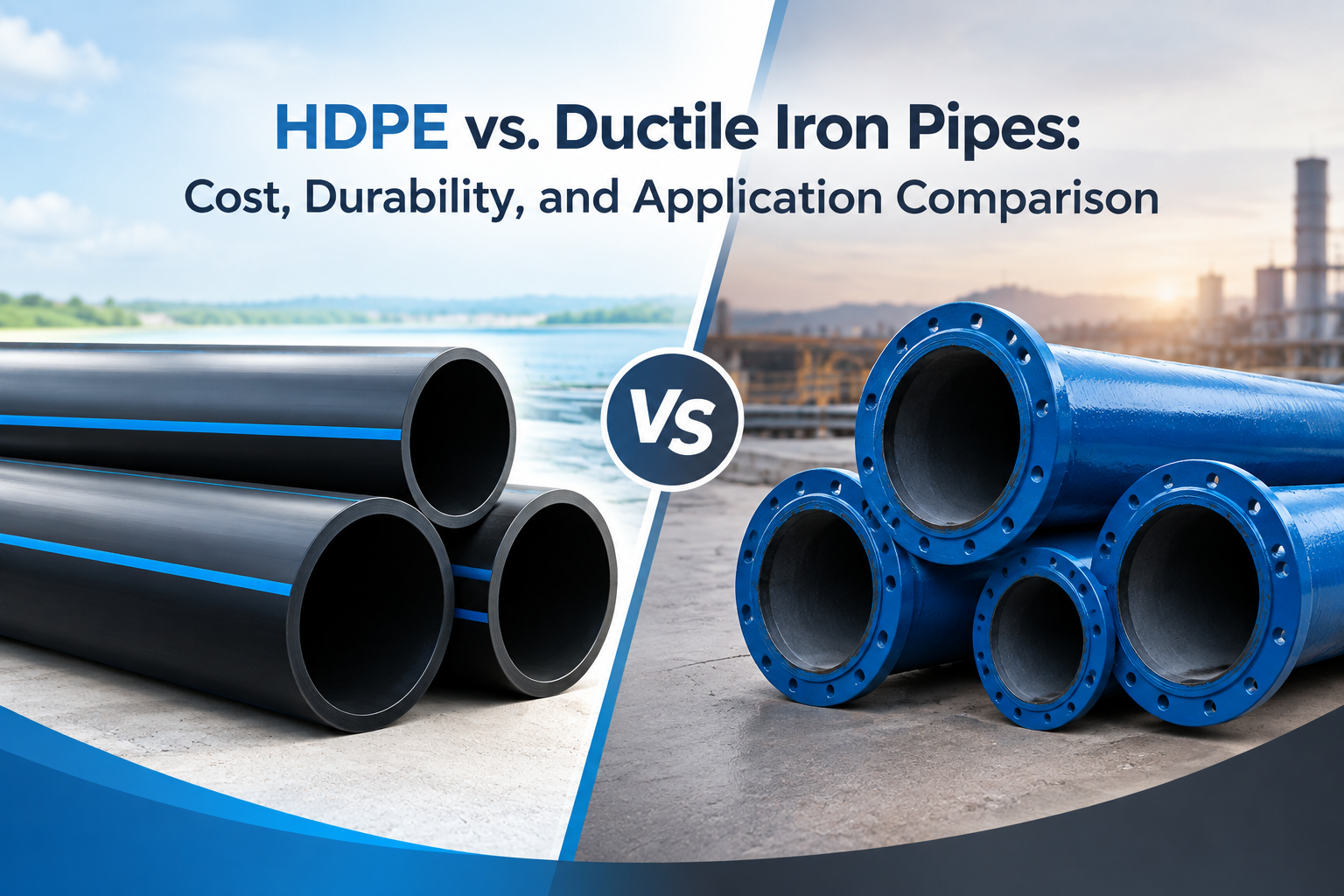
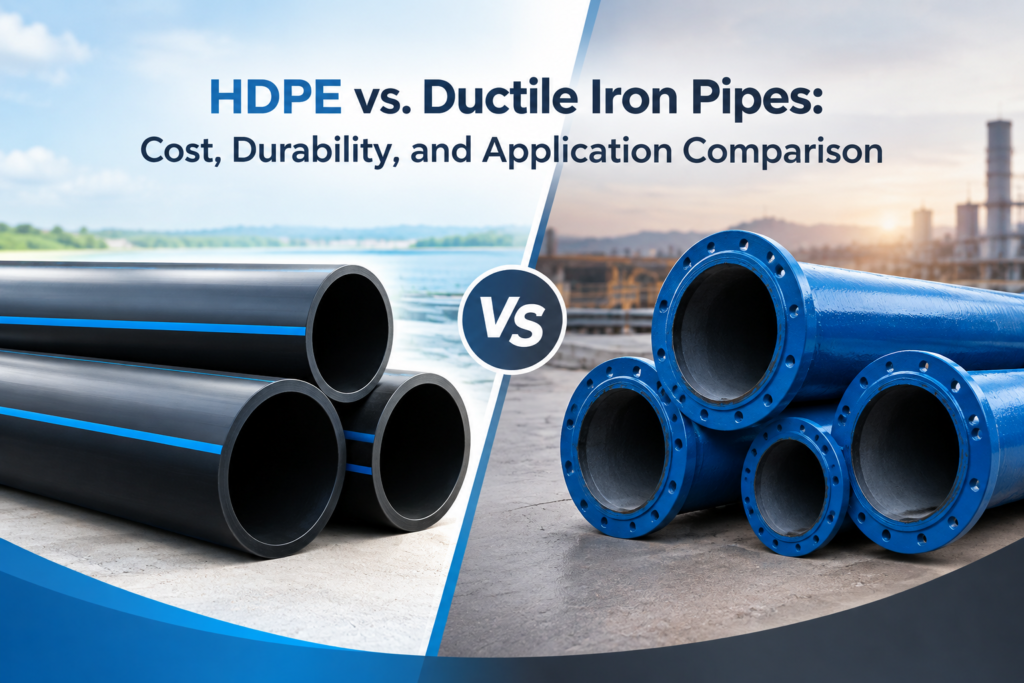
Differences Between HDPE vs. Ductile Iron:
| Parameter | HDPE Pipes | Ductile Iron Pipes |
| Material | High-density polyethylene | Ductile cast iron |
| Weight | Lightweight | Heavier |
| Corrosion Resistance | Excellent | Requires protection in corrosive conditions |
| Flexibility | High | Relatively rigid |
| Jointing | Butt/electrofusion | Mechanical or push-on joints |
| Installation | Easier and faster | Requires heavier handling equipment |
| Maintenance | Low | Higher where corrosion protection is required |
| Typical Applications | Water, irrigation, sewage, industrial lines | Water distribution, pressure mains, fire protection |
1. Cost and Installation
The starting cost of the material itself should not be the only factor to take into account when considering pipeline economics. The lightness of HDPE allows for decreased costs regarding transport, handling, and equipment needs.
The strength of ductile iron is a significant advantage; however, due to higher weight, this type of pipeline material needs more handling and lifting. Corrosion protection might also be needed in certain cases.
2. Durability and Service Performance
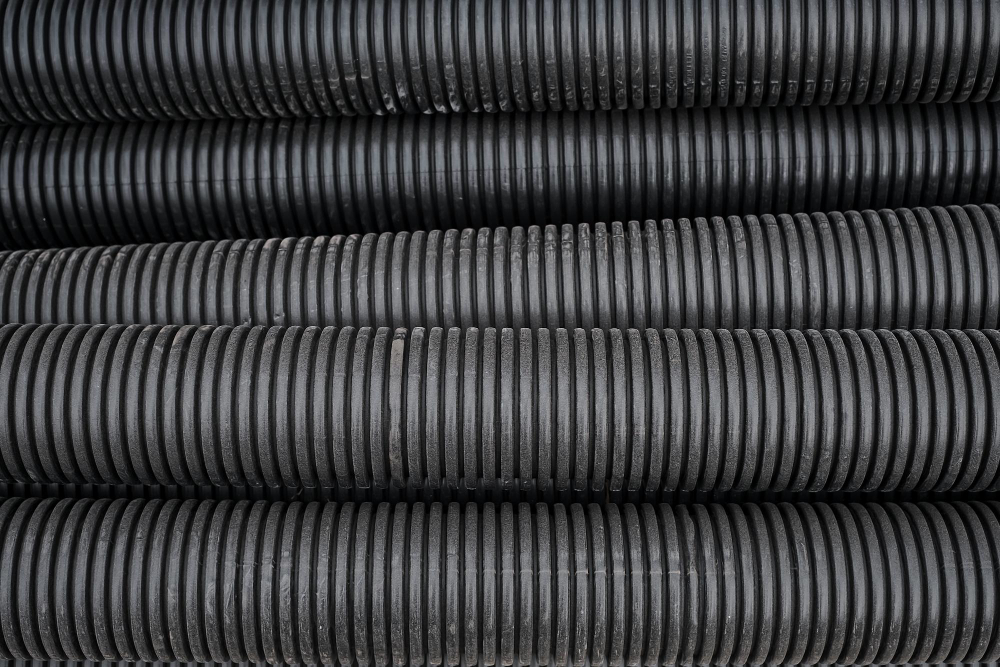
High Density Polyethylene (HDPE) is highly resistant to corrosion, moisture, chemicals, and most of the aggressive soil conditions. The flexibility of this material helps it withstand any ground movements that might arise.
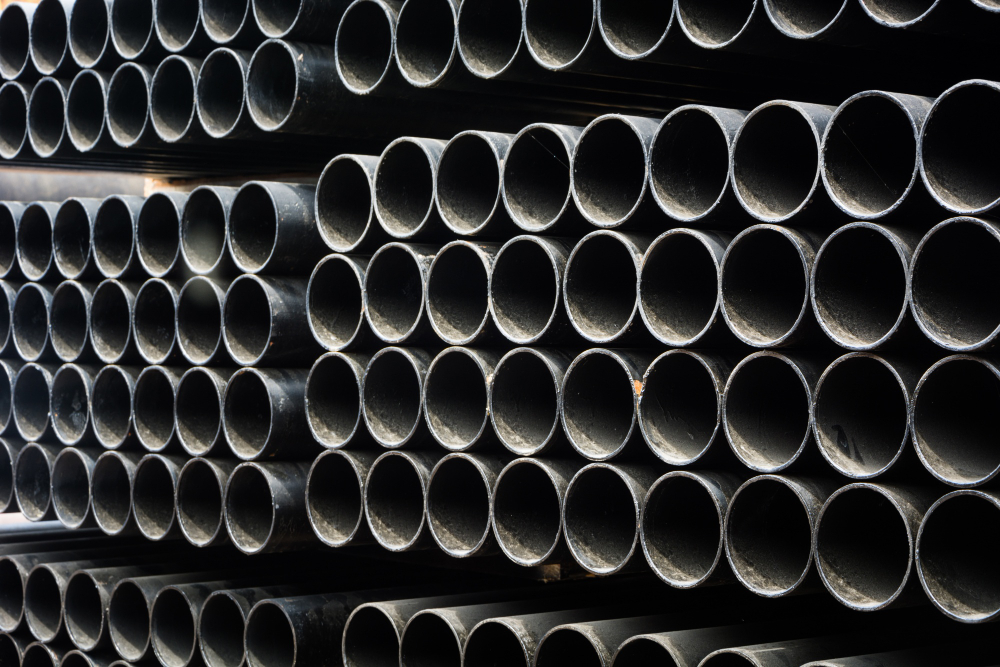
Ductile iron has proven to be very strong and has been widely used for high-pressure water transmission systems. It becomes crucial to think about corrosion protection in this case.
3. Application Suitability
The right choice depends on pressure, soil conditions, installation method, temperature, hydraulic requirements, and project life-cycle costs.
HDPE is particularly suitable for:
- Drinking water and distribution networks
- Irrigation pipelines
- Sewage and wastewater systems
- Industrial fluid transportation
- Underground and challenging-terrain installations
Ductile iron is commonly selected for:
- Municipal water transmission
- High-load underground applications
- Fire-water systems
- Projects requiring high mechanical rigidity
Making the Right Pipe Selection
Neither of these materials can be considered inherently better than the other. The choice must be made according to the demands of the pipeline’s design rather than solely considering the material costs. Designers should take into account the pressure class, diameter, joining process, soil type, installation issues, and total lifespan.
Collaboration with experienced HDPE Pipes Manufacturers may facilitate the correct pipe grade and dimension selection for the projects.
Conclusion
HDPE and Ductile Iron have different engineering strengths. HDPE has strength in being resistant to corrosion, flexible, lightweight, easy to install, and low maintenance costs, whereas ductile iron is characterized by mechanical strength and rigidity. It is important to conduct a technical analysis on a project-specific basis to find the balance.
Frequently Asked Questions:
1. Are HDPE pipes better than ductile iron pipes?
HDPE pipes offer excellent corrosion resistance, flexibility, lightweight installation, and low maintenance, making them suitable for many water, irrigation, sewage, and industrial applications.
2. Which pipe has lower installation costs: HDPE or ductile iron?
HDPE can provide lower overall installation costs due to its lightweight construction, easier handling, flexible installation, and efficient fusion jointing.
3. How do I choose between HDPE and ductile iron pipes?
Selection depends on pressure requirements, soil conditions, application, installation method, mechanical loads, expected service life, and total lifecycle cost.